One Post, One Crash: The Brutal Science Behind Instant Crypto Meltdowns
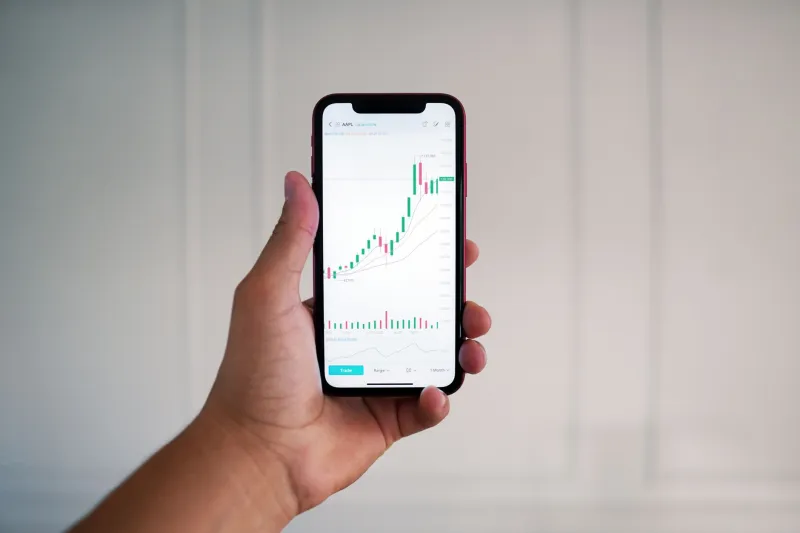
It's 7:43 AM on a Tuesday. You're two sips into your gas station coffee, halfheartedly watching your portfolio tick upward, feeling good about your life choices for once. Then your phone starts buzzing like it's auditioning for a percussion solo. By 7:46 AM, a coin you've been holding for three months is down 38%. A single post. Three minutes. Gone.
Welcome to what traders in the trenches call a velocity crash — and if you've been in crypto longer than six months, you've either lived through one or you're overdue.
What Actually Happens in the First 60 Seconds
Here's the thing most people don't realize: the damage in a tweet-triggered crash isn't just about sentiment. It's about the mechanics of who's holding the bag and how they're holding it.
When a major figure — a billionaire CEO, a regulatory official, a prominent influencer — drops something unexpected into the news cycle, the first wave of sell orders isn't from retail traders like you. It's from bots. Automated market-making algorithms and liquidation engines are scanning social media in real time, and they react in milliseconds. By the time a human reads the post, processes it, and opens their exchange app, the first 15% of the drop has already happened.
The second wave is margin traders getting liquidated. Leveraged positions that looked perfectly reasonable at yesterday's prices suddenly hit their thresholds. Those forced liquidations add more sell pressure, which triggers more liquidations — a cascade that has nothing to do with whether the original news even matters long-term.
The third wave — and this is the one that really stings — is regular holders panicking into the sell queue at exactly the worst moment, locking in losses that the chart will sometimes recover from within 48 hours.
The Case Studies Nobody Talks About Honestly
You already know the big one. In May 2021, a certain electric vehicle CEO fired off a post about Bitcoin's environmental footprint, and the market dropped roughly 15% in hours. But the more instructive examples are the smaller coins that got absolutely obliterated by communications that barely registered outside crypto-native circles.
Consider the pattern of meme coins that have imploded after a founding wallet address made a suspicious on-chain move — not even a confirmed sale, just a transfer — that got screenshotted and posted on Twitter with aggressive caption energy. The coin doesn't need to actually be rugged. It just needs enough holders who are already sitting on profits and looking for an excuse. One ambiguous data point, one viral post, and the exit stampede begins.
Or look at what happens when a coin's Telegram admin goes quiet for 48 hours and someone notices. In a community built on vibes and trust, silence reads as abandonment. A screenshot of an empty chat can do more damage than a negative news article.
The Warning Signs You're Telling Yourself Aren't Warning Signs
Velocity crashes don't materialize from nothing. They almost always have a pre-crash environment that made them possible. Here's what that environment looks like:
Parabolic price action with thin trading volume. When a coin moons on low volume, it means a small number of buyers pushed the price up and there's no real liquidity underneath it. One significant sell order — let alone a panic wave — has nothing to absorb it.
Community sentiment that's 100% positive. This sounds backward, but a Discord or subreddit where literally nobody is asking hard questions is a community that hasn't stress-tested its thesis. When the crash comes, they have no framework for processing it, so they just sell.
The coin's narrative is entirely dependent on one person. If the bull case for your investment is basically "[name] is involved," then [name]'s next tweet is your entire risk management strategy. That's not a strategy. That's a prayer.
You can't explain why it went up. If you're holding a coin and you couldn't give a coherent answer for why it pumped last week, you're not an investor — you're a passenger.
Practical Ways to Not Get Bonked Into Oblivion
None of this is about avoiding crypto. It's about not being the person standing directly under the falling piano.
Set trailing stop-losses and actually leave them alone. A trailing stop that automatically sells if a coin drops X% from its recent high removes the emotional decision from the equation. You won't catch the exact bottom, but you won't ride a 60% crash either.
Diversify your news exposure. If you only follow bullish accounts in a coin's ecosystem, you're creating an information blindspot. Follow critics. Follow the skeptics. Read the negative takes even when they annoy you. The warning signs for most crashes were visible — people just weren't looking at the right feeds.
Size positions relative to liquidity, not conviction. You can believe in a project completely and still acknowledge that a low-liquidity coin deserves a smaller position size because the crash risk is asymmetric. High conviction is not a hedge against velocity.
Build a personal news response protocol. Decide in advance: if a major negative story breaks about this coin, what's my threshold for selling? Write it down. Stick to it. Making that decision during a live crash, while your portfolio is visibly bleeding, is like trying to read a map while someone's honking at you from behind.
Why Getting Bonked Is Sometimes the Best Thing That Happens to You
Here's the counterintuitive part. A velocity crash, brutal as it is, occasionally does traders a favor they'd never consciously request.
Overvalued positions are hard to exit gracefully. When a coin has pumped 400% and you're trying to figure out if you should take profits, there's enormous psychological pressure to hold — the community is bullish, the chart looks strong, and selling feels like betrayal. A sudden crash cuts through all of that noise and forces clarity. If the coin recovers, you have a clean re-entry opportunity at a better price. If it doesn't recover, the crash saved you from a slower, more demoralizing bleed-out.
Some of the best traders in this space have described their most painful single-day losses as the moments that finally taught them position sizing, stop-losses, and the difference between a thesis and a hope. The market doesn't grade on a curve, but it does offer retakes.
The bonk, as they say, is the tuition. Whether you graduate or drop out is up to you.
BestCoinBonk does not provide financial advice. We provide chaos, context, and the occasional reality check. Trade responsibly, set your stops, and maybe don't check your portfolio before coffee.