Forty-Seven Wallets, Zero Dollars: The Hidden Cost of Your Crypto Hoarding Problem
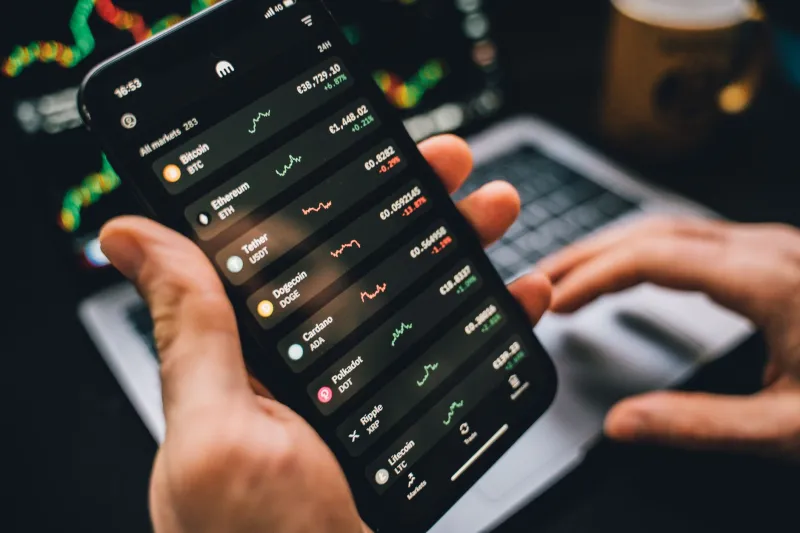
Let's set the scene. It's a Tuesday. You decide, completely unprompted, to audit your crypto holdings. You open a spreadsheet, crack your knuckles, and begin the excavation. Two hours later, you've unearthed eleven MetaMask wallets, a Coinbase account from 2019 you thought was deleted, a Phantom wallet holding four different Solana tokens worth a combined $1.12, and something called a "paper wallet" that you printed in your kitchen and then immediately spilled coffee on.
Congratulations. You are not an investor. You are a digital archaeologist with a tax problem.
This is what we at BestCoinBonk lovingly call the Wallet Archaeology Problem — the slow, creeping financial and psychological drain of maintaining a crypto portfolio that has metastasized beyond all reasonable control. And the worst part? Most people don't even realize it's costing them money until the damage is already done.
The Math Nobody Wants to Do
Here's the brutal truth about holding forty-seven micro-positions across a dozen wallets: the overhead is eating you alive.
Start with gas fees. Every time you want to consolidate tokens on Ethereum, you're paying anywhere from a few dollars to an absolutely insulting amount of money depending on network congestion. If you're trying to sweep a wallet containing $4.50 worth of some 2022 airdrop token, and the gas fee to move it is $6.00, you are literally paying to lose money. That's not investing. That's an expensive form of digital hoarding with extra steps.
Then there's exchange withdrawal minimums. Many centralized exchanges won't let you pull out balances below a certain threshold, which means that $2.18 worth of some forgotten altcoin is essentially trapped. It's not yours anymore in any practical sense. It's a hostage, and the ransom is higher than the hostage is worth.
And don't even get started on the subscription and hardware costs. If you're paying for a hardware wallet to store assets that have depreciated to the point of being symbolic, you're essentially renting a very secure vault to store a crumpled dollar bill.
The Psychology of the Crypto Hoarder
So why do we do this? Why does every crypto investor, at some point, end up with a sprawling graveyard of forgotten tokens?
Part of it is pure optimism — the irrational, beautiful, occasionally profitable belief that this coin, the one that dropped 99.7% from its all-time high and hasn't posted a tweet since March 2022, is about to make a comeback. We've all seen the moonshots. We've all watched something go from zero to life-changing money in a weekend. So we hold. And we hold. And we quietly add another wallet to the pile.
Part of it is also the sunk cost fallacy wearing a hoodie and a Pepe avatar. You paid $200 for those tokens. They're worth $1.80 now. Selling feels like admitting defeat. So instead of taking the loss and moving on, you just... don't look at it. You add it to the pile. The pile grows.
There's also a uniquely modern phenomenon at play here: airdrop accumulation. Every new protocol, every testnet reward, every loyalty program, every "just connect your wallet" campaign showers you with tokens you never asked for and will never use. They pile up like junk mail, except junk mail doesn't require a separate seed phrase to access.
What the IRS Thinks About Your Graveyard
Here's where things get spicy, and not in a fun way.
A lot of crypto holders assume that if they're not actively trading, they don't have tax exposure. This is the kind of assumption that makes accountants cry into their coffee. In the US, the IRS treats cryptocurrency as property. That means every swap, every consolidation, every time you move tokens from one wallet to another through a taxable event — like swapping Token A for ETH to consolidate — is potentially a reportable transaction.
So your plan to clean up your wallet graveyard by just swapping everything into one coin? That could generate a dozen separate taxable events, each one requiring you to calculate cost basis on tokens you bought three years ago during a fever dream of optimism.
The good news: simply moving the same token between wallets you own is generally not a taxable event. A wallet-to-wallet transfer of ETH from your MetaMask to your Ledger? Not taxable. Swapping that forgotten altcoin for ETH so you can consolidate? That's a disposal, and the IRS wants to hear about it.
Before you start your cleanup operation, do yourself a favor and pull your transaction history into a crypto tax tool — Koinly, CoinTracker, TaxBit, and others can help you see the full picture before you accidentally generate a tax bill bigger than your cleanup is worth.
The Practical Cleanup Playbook
Okay, so you want to actually fix this. Here's how to approach your wallet archaeology project without losing your mind or your money.
Step one: inventory everything. Before you touch a single token, make a complete list. Every wallet address, every exchange account, every balance. Use a portfolio tracker to pull it all together. Yes, this will be painful. Do it anyway.
Step two: triage by value and viability. Sort your holdings into three buckets. Bucket one: tokens worth keeping and actively tracking. Bucket two: tokens worth consolidating if the gas fees make sense. Bucket three: tokens that are effectively dead — zero liquidity, abandoned project, worth less than the fee to move them. Leave bucket three alone. Seriously. It costs you nothing to ignore them. It might cost you gas and a tax event to "clean them up."
Step three: consolidate strategically, not emotionally. Focus on your highest-value cleanup opportunities first. If you have the same token scattered across three wallets, consolidating those is relatively clean — you're moving the same asset, not triggering swaps. This is where you can actually reduce your overhead without creating new problems.
Step four: close the loop on centralized exchanges. Old exchange accounts are a security risk and a mental overhead drain. If you have meaningful balances on an exchange you no longer use, move them out. If you have sub-threshold amounts you can't withdraw, document them, accept that they're gone, and close the account anyway.
Step five: stop creating new graves. Every time you ape into something new, ask yourself whether you're actually going to track this position. If the honest answer is no, maybe sit this one out.
The Actual Cost of Doing Nothing
Here's the thing about your crypto graveyard that nobody talks about: the mental overhead is real money. Every hour you spend trying to remember your seed phrase for a wallet containing $4 worth of a token that hasn't traded in eight months is an hour you're not spending on opportunities that actually matter.
Portfolio clarity isn't just about aesthetics. Traders who know exactly what they hold, why they hold it, and what their exit strategy is make better decisions. They're not paralyzed by the weight of forty-seven open positions. They're not accidentally missing a tax obligation because they forgot about a wallet they opened on a whim in 2021.
Your crypto portfolio should be a tool, not a haunted house. Clean it up, document everything, and for the love of all things digital, stop opening new wallets for every shiny airdrop that lands in your lap.
The graveyard isn't free. It just charges you in ways you haven't started counting yet.


